
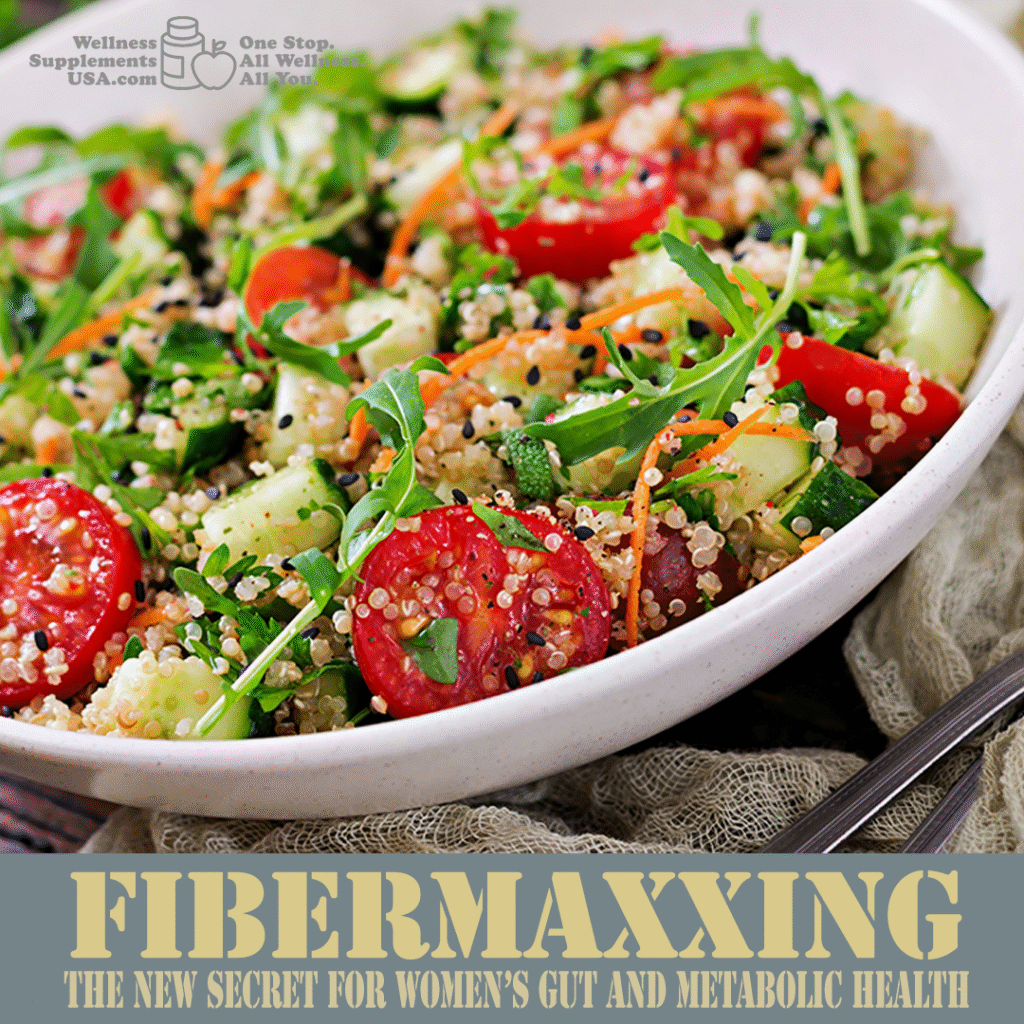
“Fibermaxxing: The Trend That’s Changing Weight-Loss from the Inside Out”
In recent months, a wellness buzzword has taken over TikTok and Instagram — fibermaxxing — and for good reason. Far from being a fad, it’s gaining attention from nutritionists as a smart, science-backed way to boost overall health and support weight management.
What Is Fibermaxxing — and How Does It Work?
Fibermaxxing basically means intentionally increasing your fiber intake, often by adding more high-fiber whole foods (and sometimes supplements) into every meal and snack. The goal? To hit — or even exceed — the daily recommended intake of fiber, typically around 25 g/day for women.
Why fiber? Because it’s more than just “roughage”:
- Gut health: Fiber feeds beneficial gut bacteria, which in turn produce short-chain fatty acids (SCFAs) that support digestion, reduce inflammation, and help maintain a healthy gut barrier.
- Satiety & weight control: High-fiber foods digest more slowly, helping you feel full longer and thereby reducing overall calorie intake.
- Blood sugar & cholesterol: Soluble fibers can slow down glucose absorption, helping stabilize blood sugar, and also help in reducing LDL (“bad”) cholesterol.
- Long-term disease risk: Studies have linked increased fiber intake to lower risk of chronic diseases like type 2 diabetes, heart disease, and even colorectal cancer.
Benefits of Fibermaxxing for Women
- Improved digestion: Less constipation, more regular bowel movements.
- Better hormonal/metabolic balance: By regulating appetite and blood sugar, fiber helps manage cravings and supports weight-loss sustainability.
- Heart & metabolic health: Regular fiber intake is linked with lower cholesterol and a reduced risk of chronic disease.
- Gut-brain connection: The SCFAs produced by gut bacteria may also influence mood and inflammation, contributing to overall well-being.
How to Start Fibermaxxing — Simple & Home-Friendly Steps
- Begin gradually
- If your current fiber intake is low, don’t jump to very high amounts right away. Experts recommend increasing slowly to avoid digestive discomfort.
- Try adding one new fiber-rich food per week, rather than overhauling your entire diet.
- Use foods you already have at home
- Include legumes: beans, lentils, chickpeas are fiber powerhouses.
- Pick whole grains: oats, brown rice, quinoa.
- Add seeds & nuts: chia, flaxseeds, almonds — sprinkle them into breakfast, yogurt or salads.
- Don’t forget fruits and veggies: berries, apples, sweet potatoes, broccoli — especially with skin.
- Hydrate properly
- As you increase fiber, also increase your water intake. Without enough fluid, fiber can cause bloating, cramping, or even constipation.
- Drinking water helps fiber move through your digestive system smoothly.
- Listen to your body
- If you feel bloated, gassy, or uncomfortable, slow down the increase. Some people might need to go slower, especially if they have sensitive digestion.
- Watch for any signs of nutrient imbalance: very high fiber (especially from supplements) can interfere with absorption of minerals like iron or calcium.
A Quick Health Note
Before you dive into fibermaxxing, consult a healthcare professional, especially if you have any digestive conditions (IBS, IBD, etc.), are on medication, or have trouble tolerating high-fiber foods. A gradual, personalized approach helps you reap the benefits without the discomfort.
Need Extra Support?
If you’re on a weight-loss journey and feel that lifestyle changes alone aren’t enough, you might consider natural weight-loss supplements that are popular in the U.S. These are crafted to complement your diet and exercise, offering gentle support when you need it — but always pair them with a fiber-rich, whole-food plan and your doctor’s advice.