
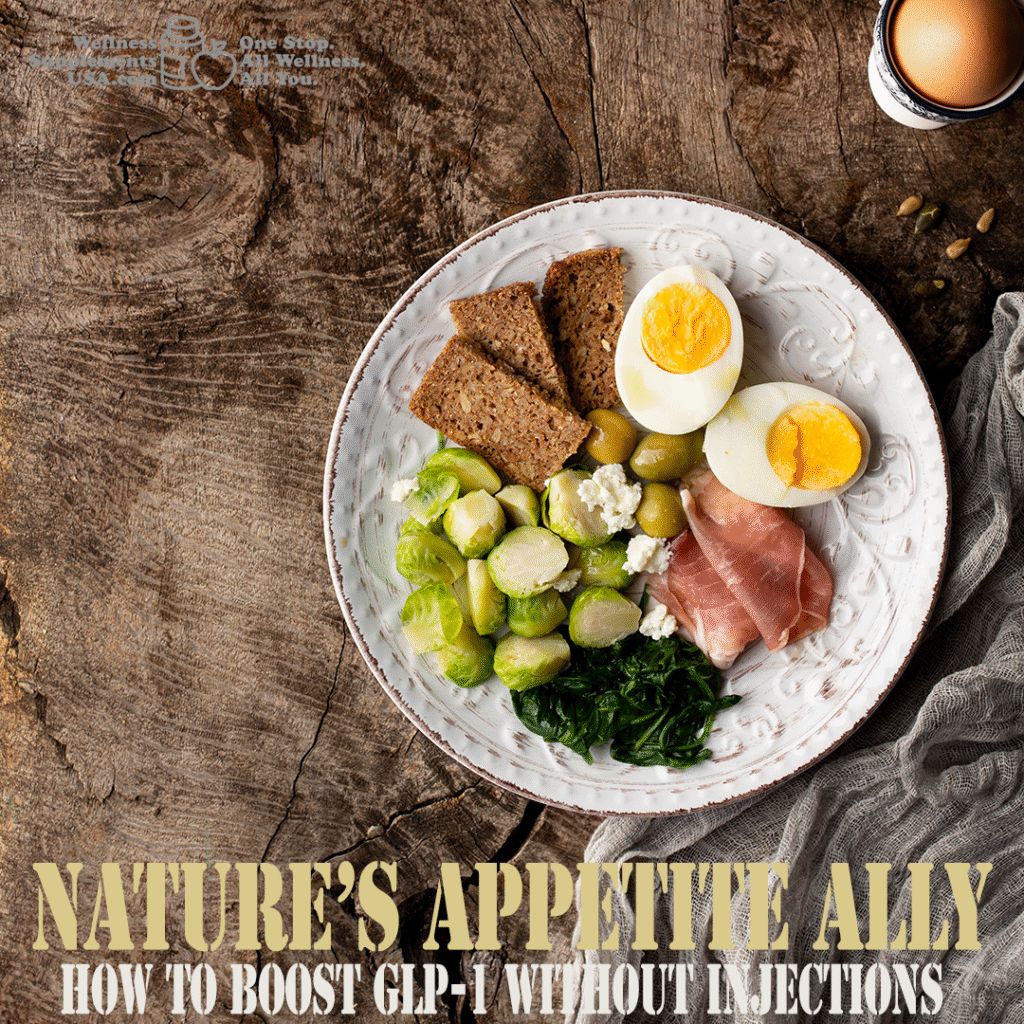
Natural GLP-1 Boosters: Supporting Your Fullness Hormone Naturally
If you’ve heard of GLP-1 (glucagon-like peptide-1), you probably know it’s the “fullness” hormone — the one that slows digestion, helps regulate blood sugar, and signals to your brain that you’re satisfied. While injectable GLP-1 drugs (like semaglutide) are very effective, there’s also a growing interest in natural ways to boost your GLP-1 levels. The good news? With the right foods and habits, your body can do a lot of the work itself.
What Is Natural GLP-1 Boosting — and How Does It Work?
GLP-1 is produced by L-cells in the gut when certain nutrients arrive after a meal. According to nutrition research, three major dietary components are especially good at triggering or sustaining GLP-1 release: fiber, protein, and healthy fats.
- Fiber (especially soluble and fermentable types) is fermented by friendly gut bacteria into short-chain fatty acids (SCFAs) like butyrate and propionate. These SCFAs stimulate L-cells to secrete more GLP-1.
- Protein-rich foods, such as eggs, legumes, whey, or lean meats, directly promote GLP-1 release after meals.
- Healthy fats, especially monounsaturated fats (like olive oil) and omega-3s (from fish, nuts), slow digestion and enhance GLP-1 signaling.
- Fermented foods (like yogurt, kefir) and polyphenol-rich plants (berries, green tea, dark chocolate) support gut health and indirectly encourage GLP-1 production.
Benefits of Naturally Boosting GLP-1
- Better appetite control — Higher GLP-1 means a gentler, longer feeling of fullness, helping you resist snacking or overeating.
- Stabilized blood sugar — GLP-1 enhances insulin release when it’s needed, helping avoid blood sugar spikes.
- Improved gut health — By feeding your gut bacteria, fermentable fiber supports a healthy microbiome, which has wide-ranging benefits.
- Sustainable, food-based approach — Instead of relying solely on medications, you’re leveraging whole foods to support your body’s own mechanisms.
How Women Can Get Started — Simple, At-Home Steps
- Revamp your meals
- At breakfast, enjoy oats or whole-grain cereals plus berries or flaxseeds.
- For lunch or dinner, include legumes (like lentils or chickpeas), mixed vegetables (e.g., Brussels sprouts, carrots), and a source of protein (eggs, fish, tofu).
- Use healthy fats: drizzle olive oil on your salad or add slices of avocado.
- Add fermented or probiotic-rich foods
- Try plain yogurt, kefir, or even fermented vegetables (if you like them) a few times a week.
- Pair these with prebiotic vegetables (like garlic, onions) or high-fiber foods to feed the good bacteria.
- Be mindful of protein distribution
- Spread your protein intake evenly across meals—don’t load up just at dinner. This helps sustain GLP-1 stimulation.
- Include both plant and animal sources (if your diet allows): eggs, beans, whey (if you use it), fish.
- Go slow and stay hydrated
- If you bump up your fiber intake, do it gradually over 2–4 weeks so your gut adjusts.
- Drink plenty of water — fiber needs fluid to work well in your digestive system.
A Cautionary Note
Before making major changes to your diet or supplementing for GLP-1 support, consult a healthcare provider — especially if you have conditions like diabetes, gut disorders (IBS, IBD), or are on medication. Because GLP-1 affects digestion and blood sugar, advice from a medical or nutritional professional is important.
Want a Little Extra Support?
If you’re on a weight-loss journey and feel that dietary changes alone aren’t quite enough, there are natural GLP-1–supporting supplements that are bestsellers in the U.S. These plant-based or nutraceutical formulas can complement your food strategy — but should be used wisely and, ideally, under guidance.